Przeskocz do treści Przeskocz do menu

Rail

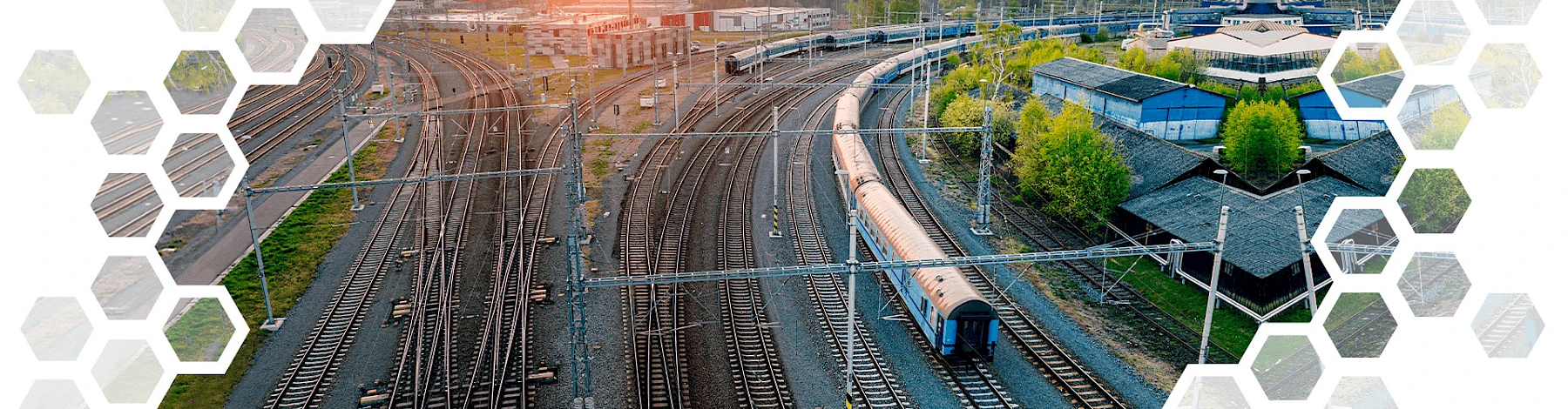
Infrastruktura kolejowa z torami i pociągiem pasażerskim

Rail

Time synchronization in railway systems is one of the fundamental elements ensuring safety, traffic fluidity, and the reliable operation of modern transport infrastructure. Railway environments combine traffic-control systems, signaling, monitoring, and telemetry — and even small timing deviations can lead to incorrect event interpretation or delays in system response. BitStream solutions enable the development of stable time-synchronization architectures designed for continuous operation in railway and transport infrastructure.

Synchronization of Transport and ITS Systems

Rail-infrastructure managers and ITS operators are responsible for integrating many distributed subsystems — from trackside devices and control centers to municipal Smart City systems. Precise time synchronization is essential for the correct operation of railway traffic-control systems, event recording, incident analysis, and coordination of communication between IoT and SCADA systems.

In practice, this requires real-time technologies that ensure consistent timestamps across the entire transport network. BitStream provides solutions that synchronize transport systems in a scalable, interference-resistant manner, fully aligned with the requirements of infrastructure operating 24/7.
Application

Signaling and telecommunications systems used along the track require large networks to collect and transmit data back to the control center. Some systems also need to collect additional data from railway switches and level crossings to ensure smooth daily operations. BitStream equipment meets all requirements to keep rail transport running smoothly.

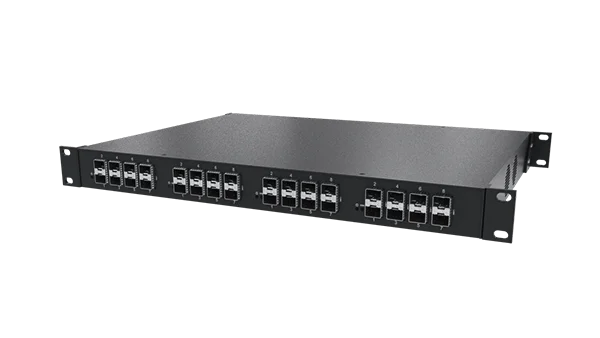
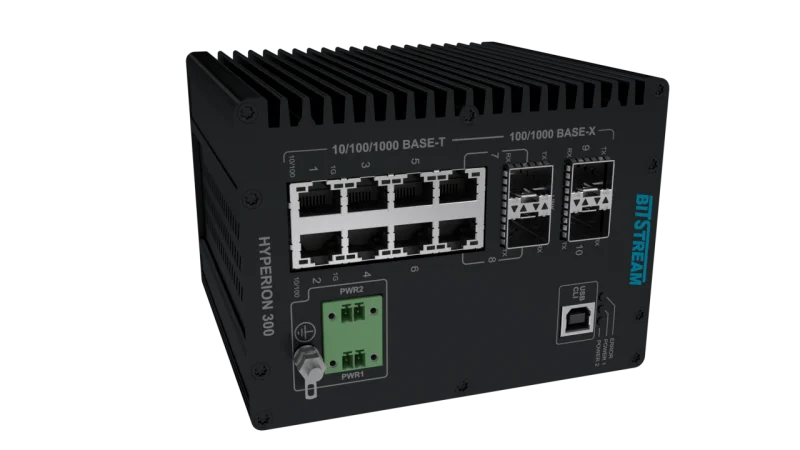
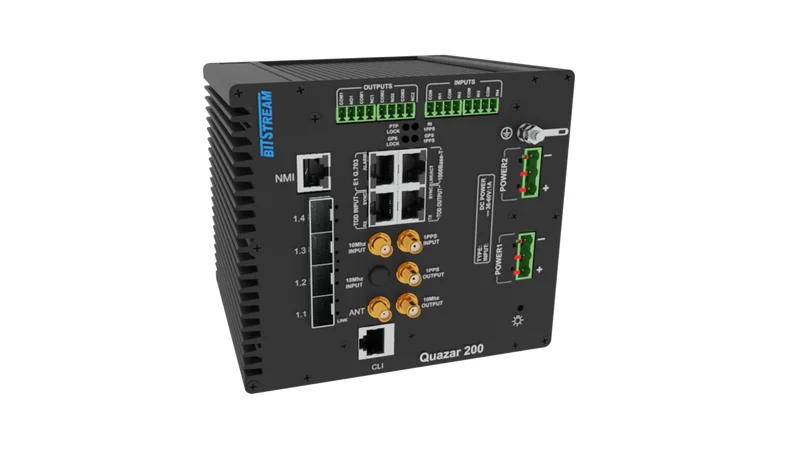
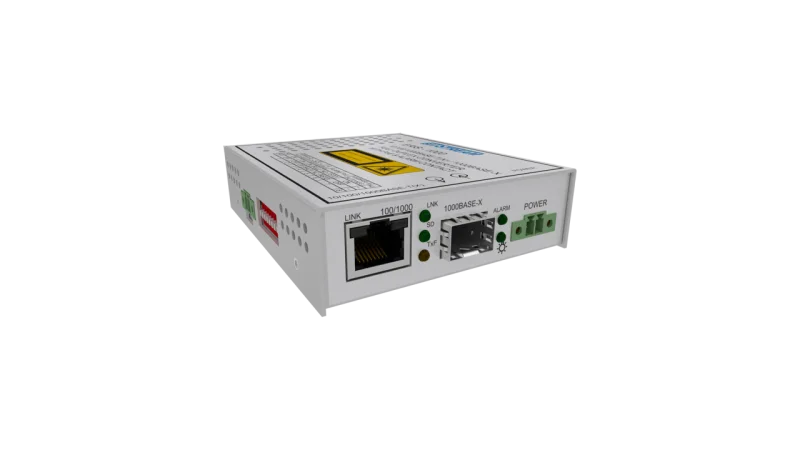
Featured products

Time-Synchronization Technologies in Railway Infrastructure

In railway systems, time synchronization is based on a combination of time servers, synchronization protocols, and reference sources such as GNSS. Ensuring continuity and accuracy — even during signal interference or partial infrastructure failure — is critical.

Typical elements of railway-synchronization architecture include:

  • PTP and NTP-enabled time servers designed for industrial environments
  • Redundant GNSS time sources improving resilience to signal loss
  • Synchronization-quality monitoring and anomaly detection
  • Integration with ITS networks, SCADA systems, and trackside devices

This approach maintains time consistency across traffic-control, monitoring, and telemetry systems, directly improving the safety and efficiency of railway transport.

Reliability, Redundancy, and Scalability

For transport-infrastructure managers, reliability and future scalability are key selection criteria. Railway synchronization must be designed with link redundancy, network segmentation, and resistance to transmission interference.

BitStream solutions support the design of architectures that maintain continuous railway-system operation even under fault conditions. Thanks to compliance with industry standards and extensive experience in infrastructure projects, these technologies can be safely integrated with existing ITS systems and municipal solutions.

Technology Partner for Railway Synchronization
Time synchronization in railway systems requires predictability, standards compliance, and experience in high-responsibility projects. BitStream acts as a technology partner for railway and urban-transport operators, delivering solutions that enable stable integration of ITS systems, data-transmission monitoring, and telemetry infrastructure. If you are planning modernization or expansion of railway systems, time synchronization should be one of the first elements considered at the design stage.

Contact the BitStream team to discuss a synchronization architecture tailored to your transport-infrastructure requirements.
Schedule a call with an engineer